

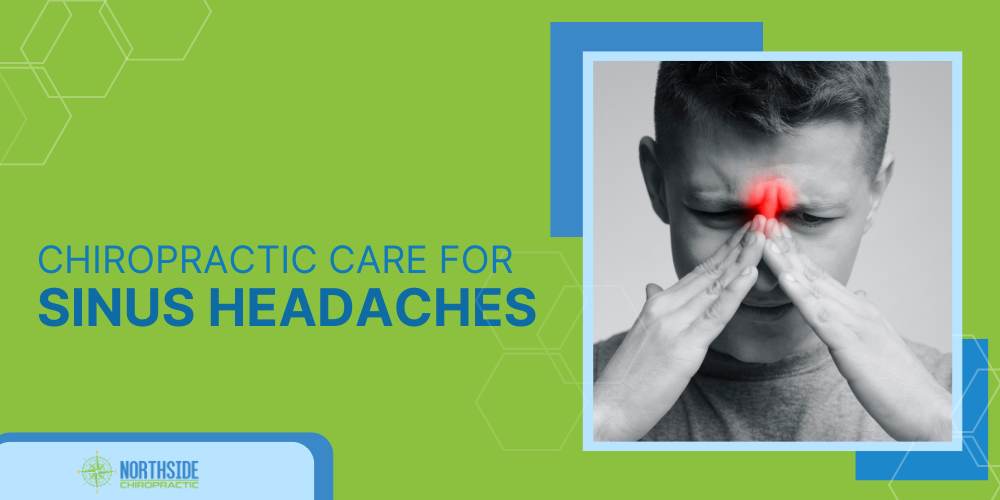
Sinus headaches can create persistent pressure around the eyes, forehead, cheeks, and temples, often making it difficult to focus, sleep comfortably, or get through daily activities. Many people experiencing sinus congestion and pain also notice neck tension, facial pressure, fatigue, or headaches that worsen during seasonal changes in Michigan.
In Grand Rapids, changing weather conditions, seasonal allergies, and environmental irritants can all contribute to recurring sinus discomfort. While over-the-counter medications may temporarily reduce symptoms, many individuals look for conservative, drug-free approaches that support long-term relief and overall wellness.
At Northside Chiropractic, Dr. Dustin McIver works with patients experiencing headaches, neck tension, and sinus-related discomfort using a personalized, patient-centered approach focused on mobility, function, and overall health.
What Causes Sinus Headaches?
Sinus headaches typically occur when the sinus cavities become inflamed or congested, creating pressure in the surrounding facial tissues. This pressure may lead to discomfort around the forehead, eyes, cheeks, and nose.
Common causes include:
- Seasonal allergies
- Upper respiratory infections
- Chronic sinus inflammation
- Environmental irritants
- Weather and humidity changes
- Nasal congestion and poor sinus drainage
Many patients experiencing head and sinus congestion may also report:
- Facial tenderness
- Pressure behind the eyes
- Ear pressure
- Fatigue
- Difficulty concentrating
- Sinus congestion and pain that worsens when bending forward
In some cases, muscular tension in the neck and upper shoulders may also contribute to headache symptoms and facial pressure.
How Chiropractic Care May Help Sinus Headaches
Chiropractic care focuses on improving spinal alignment, mobility, and nervous system function. Restrictions in the neck and upper spine may contribute to muscular tension, reduced mobility, and discomfort associated with sinus pressure.
At Northside Chiropractic in Grand Rapids, Dr. Dustin McIver evaluates posture, cervical mobility, muscular tension, and overall movement patterns to help determine whether musculoskeletal dysfunction may be contributing to recurring headache symptoms.
Treatment plans may include:
- Gentle chiropractic adjustments
- Soft tissue therapies
- Mobility exercises
- Postural recommendations
- Muscle tension reduction techniques
Some chiropractic techniques have also been explored in clinical literature for chronic sinus-related symptoms. A published case study in the Journal of Manipulative and Physiological Therapeutics reported improvement in chronic sinus headaches and sinusitis symptoms when nasal specific technique was combined with chiropractic care and soft tissue therapies although researchers noted that additional studies are still needed.
The goal is not to treat sinus infections directly, but rather to support improved movement, reduce muscular tension, and help relieve sinus pressure associated with neck and upper body dysfunction.
The Connection Between Neck Tension and Sinus Pressure
The cervical spine plays an important role in posture, movement, and nervous system communication. When tension develops in the upper neck and shoulders, it can contribute to discomfort patterns that overlap with sinus-related symptoms.
Patients experiencing chronic sinus pressure often also report:
- Tightness at the base of the skull
- Jaw tension
- Frequent headaches
- Shoulder stiffness
- Poor posture from desk work
- Increased discomfort during stress or allergy seasons
Addressing cervical stiffness and muscular tension may help improve overall comfort and mobility.
Additional Therapies Chiropractors May Recommend
In addition to spinal adjustments, chiropractors may recommend complementary therapies designed to support overall wellness and mobility.
Soft Tissue Therapy
Massage and myofascial release techniques may help reduce muscular tension around the neck, shoulders, and jaw.
Postural Correction
Poor posture can contribute to neck strain and tension-related headaches. Improving posture may help reduce stress on surrounding muscles and joints.
Lifestyle Guidance
Many chiropractors provide practical tips for congestion and sinus management to support recovery between visits.
Tips for Sinus Congestion Relief at Home
Alongside chiropractic care, healthy lifestyle habits may help improve sinus-related discomfort and support better drainage.
Stay Hydrated
Proper hydration helps thin mucus and supports healthy sinus function.
Use Steam or Humidified Air
Warm steam or humidifiers may help loosen congestion and reduce nasal dryness.
Improve Posture Throughout the Day
Forward head posture and prolonged sitting can increase neck tension and contribute to headache symptoms.
Reduce Environmental Irritants
Air filters, allergen reduction, and regular cleaning may help minimize indoor irritants.
Prioritize Sleep and Recovery
Sleep plays an important role in immune health, inflammation regulation, and recovery.
These simple tips for sinus congestion can complement conservative chiropractic care and support overall sinus health.
Why Patients in Grand Rapids Choose Chiropractic Care
Many residents in Grand Rapids are looking for natural healthcare approaches that focus on improving function rather than simply masking symptoms.
Patients often seek chiropractic care for:
- Chronic headache tension
- Neck stiffness
- Postural strain
- Muscular tightness
- Recurring head and sinus congestion
For individuals experiencing both sinus pressure and chronic headaches, working with a chiropractor for headache relief may help identify underlying musculoskeletal factors contributing to ongoing discomfort.
When to Seek Medical Care
Although sinus pressure and congestion are common, certain symptoms should always be evaluated by a healthcare professional.
Seek medical attention if you experience:
- High fever
- Severe facial swelling
- Vision changes
- Persistent dizziness
- Symptoms lasting longer than 10 days
- Significant worsening of pain or pressure
A chiropractor may also work collaboratively with other healthcare providers when symptoms require additional medical evaluation.
FAQs
Can neck tension make sinus headaches feel worse?
Yes. Tight muscles in the neck and upper shoulders can contribute to tension patterns that increase headache symptoms and facial discomfort. Many patients find relief through chiropractic treatment for neck pain, which can help reduce tension and improve mobility.
Why do sinus headaches feel worse in the morning?
Congestion may accumulate overnight while lying down, which can increase facial pressure upon waking.
Can posture affect sinus pressure?
Poor posture may contribute to neck tension and restricted mobility, which can sometimes worsen headache-related symptoms.
Conclusion
Sinus headaches can involve more than simple nasal congestion. For many individuals, neck tension, posture-related strain, muscular tightness, and restricted cervical mobility may also contribute to recurring discomfort.
At Northside Chiropractic, Dr. Dustin McIver provides a conservative, personalized approach focused on helping patients improve mobility, reduce muscular tension, and support overall wellness.
By combining professional evaluation with healthy daily habits and practical tips for congestion, many individuals are able to better manage recurring sinus congestion and pain while improving their quality of life.
Dr. Dustin McIver is a husband, father, and artistic Chiropractor. His creativity and passion for helping others to heal, live and evolve naturally is his driving purpose as well as facilitating a space for healing.
